…
The Privilege of Choosing Discomfort
By: Xen Troutman
It has been a little over two weeks since I arrived in Seoul, Korea.
Now that I am more settled, have tried the food, seen the sights, and have had interactions with locals, a bittersweet moment of clarity has found me; as a foreigner, I am visibly and undeniably out of place.
This carries no intention to censure, but rather acts as a grounding lesson in humility.
Since my arrival, I have taken notice of lingering looks from strangers, and I feel embarrassed when I awkwardly stumble through even the most basic phrases in the Korean language.
As a volunteer, my ultimate goal is to be useful, but every missed social cue and linguistic blunder offers a daily reminder of my current limitations. This has led me to constantly question my ability to provide any type of service since I myself am in constant need of help.
These moments of social dissonance have definitely tested my personal adaptability, and I now recognize that there can be an emotional burden associated with cultural displacement. Through this lived experience, I’ve noticed that the voluntary conditions that frame my own discomfort bear an undeniable resemblance to the lived reality of the immigrant.
Common experiences of immigrants often include forms of linguistic isolation, the fatigue of constant hyper-visibility, and subsequently, friction while performing everyday tasks in their foreign environments (Jaworsky et al., 2026).
However, while it is easy for me to see the similarities between the two states –long–term volunteering and immigrating– I am acutely aware of the privilege associated with elected discomfort over the (often) necessity-driven conditions that lead to global migration. Today, economic disparity is the leading cause of migration.
Jørgen Carling at the Peace Research Institute Oslo (PRIO) cites ethnographers working in North Africa and the Balkans, where locals encountered describe a deep sense of “futurelessness” or “intensity of everyday despair” among young adults, which he believes contributes to motivation for migration (e.g., Anđić 2020b; Manolova 2019; Schielke 2008; Souiah 2012).
To further the distinction, when immigrants and refugees cross borders due to structural push factors (such as economic duress, political conflict, or systemic instability), hurdles within their host countries act as additional barriers to physical security. This discomfort functions as a persistent vulnerability, and something as innate as feeling “at home” becomes a guarded luxury. For example, Pulitzer Prize-winning novelist Viet Thanh Nguyen arrived in the United States as a child refugee following the fall of Saigon. In a public interview with The Guardian, he spoke about his experience as a refugee:
“…[that’s how] I felt growing up as a refugee in the United States, as a Vietnamese and Asian American, always looking at myself from inside and outside. Always feeling displaced no matter where I was. Always feeling uncomfortable.” – Viet Thanh Nguyen
As a volunteer, my presence in Seoul is both temporary and optional. Volunteers exist in a form of cross-cultural mobility that they choose freely, without necessity. A personal exercise of sorts, where they can grow, gain adaptability, and receive a cultural education while also acknowledging their ability to return home. When you enter a country under these conditions, discomfort is a form of empowerment.
Of course, in acknowledging the distinction between volunteers and immigrants, my personal experience of discomfort is not diminished. I’m still uncomfortable and still getting used to my new surroundings. But I know things will get easier, and I am reminded that this experience is an ephemeral privilege.
…
A Short Prayer
Dear God,
Thank you for giving me this opportunity. Thank you for the people that I’ve met. Thank you most for those who have and continue to support my journey.
I pray that in moments of uncertainty, Your infinite wisdom and grace will be used to guide my next steps. That You continue to work within my heart and soul, and within the hearts of those around me, so that we may lead with love, patience, and kindness, as You do. Amen.
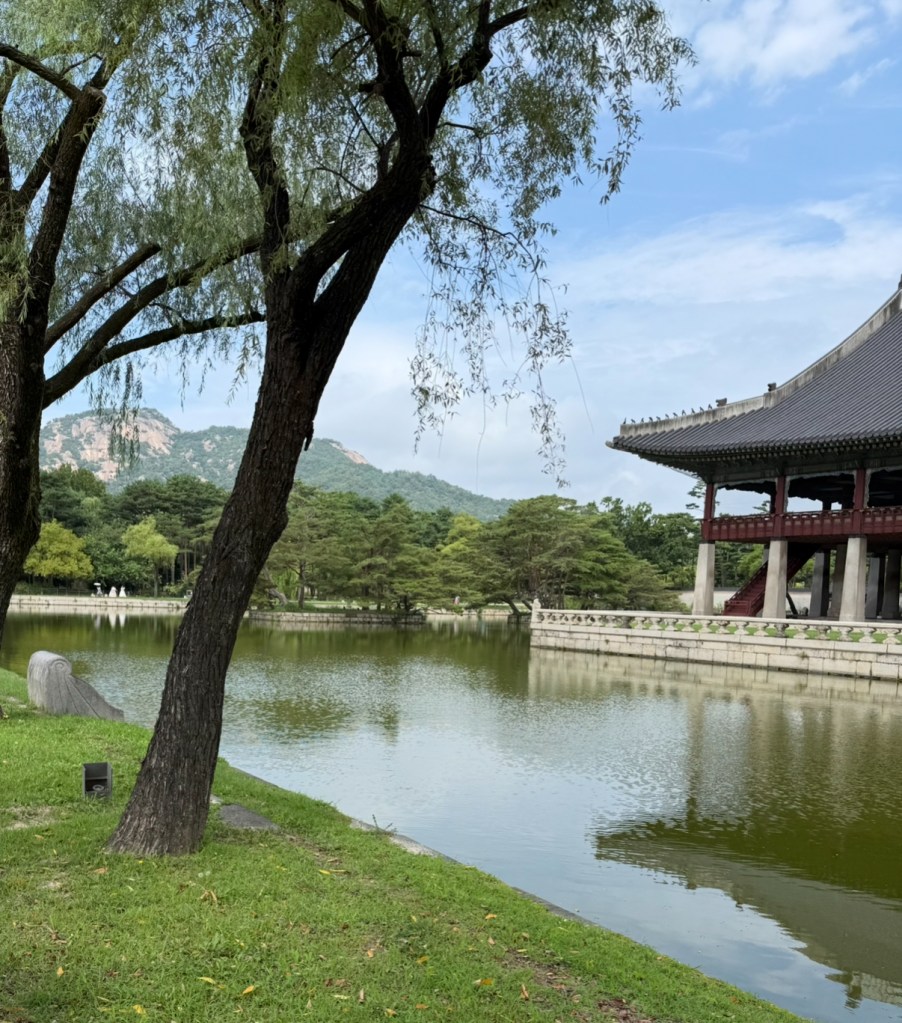
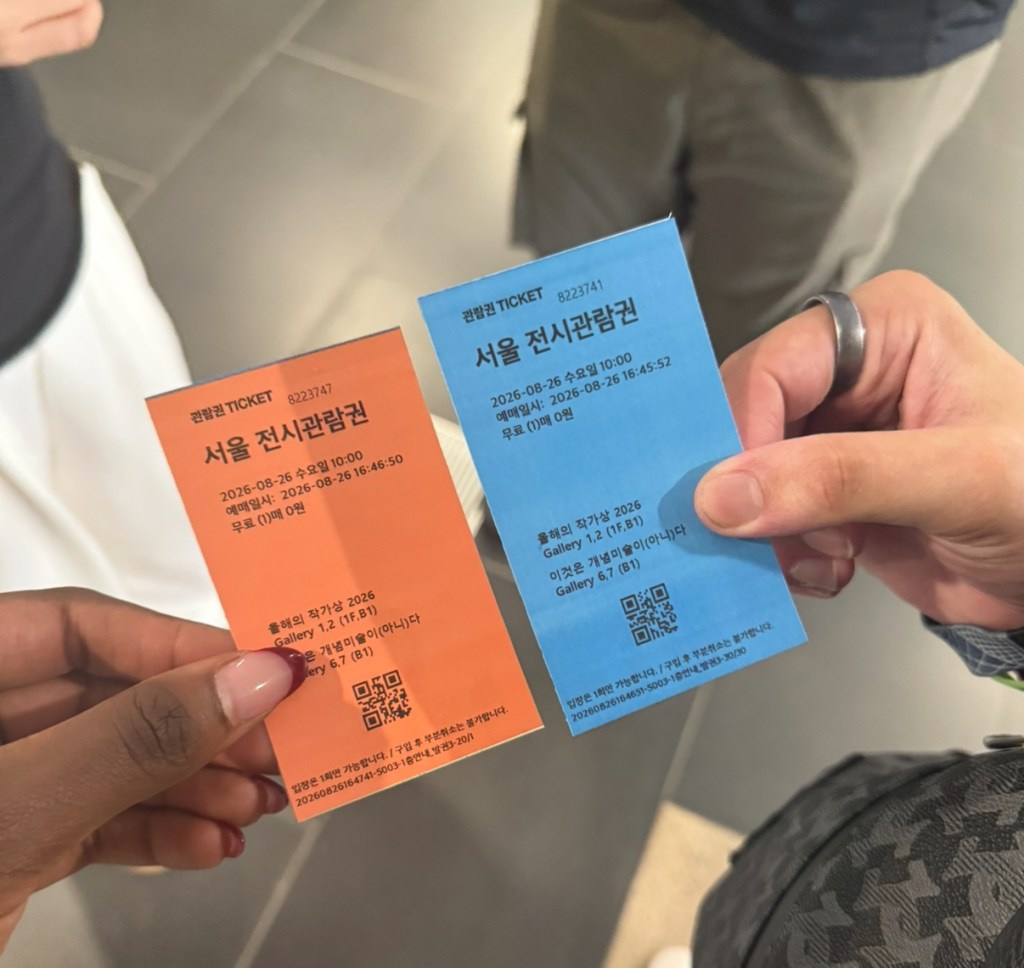
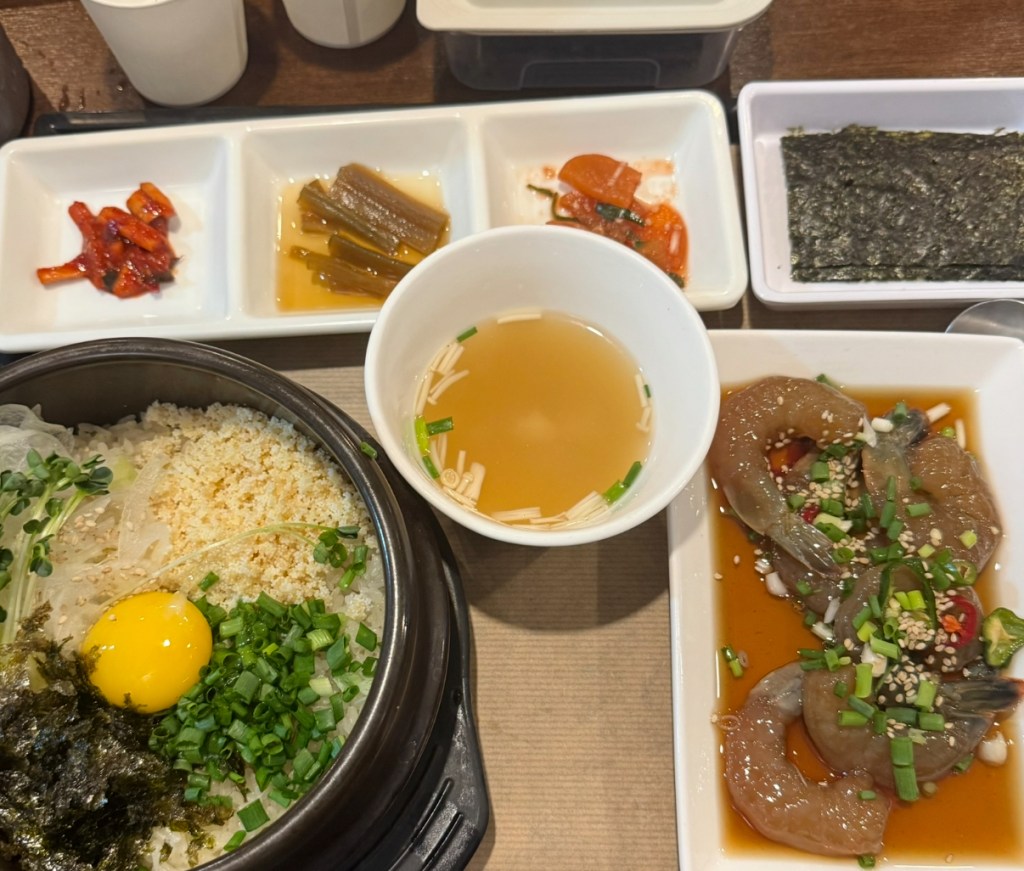
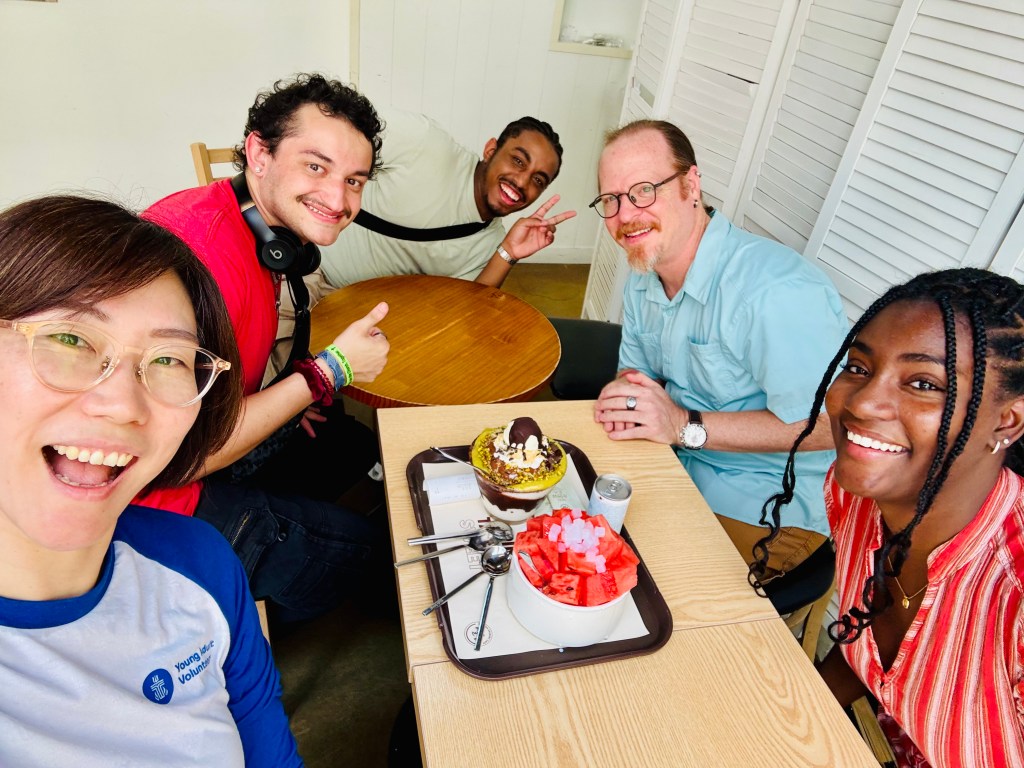
Please enjoy some pictures from the last two weeks!
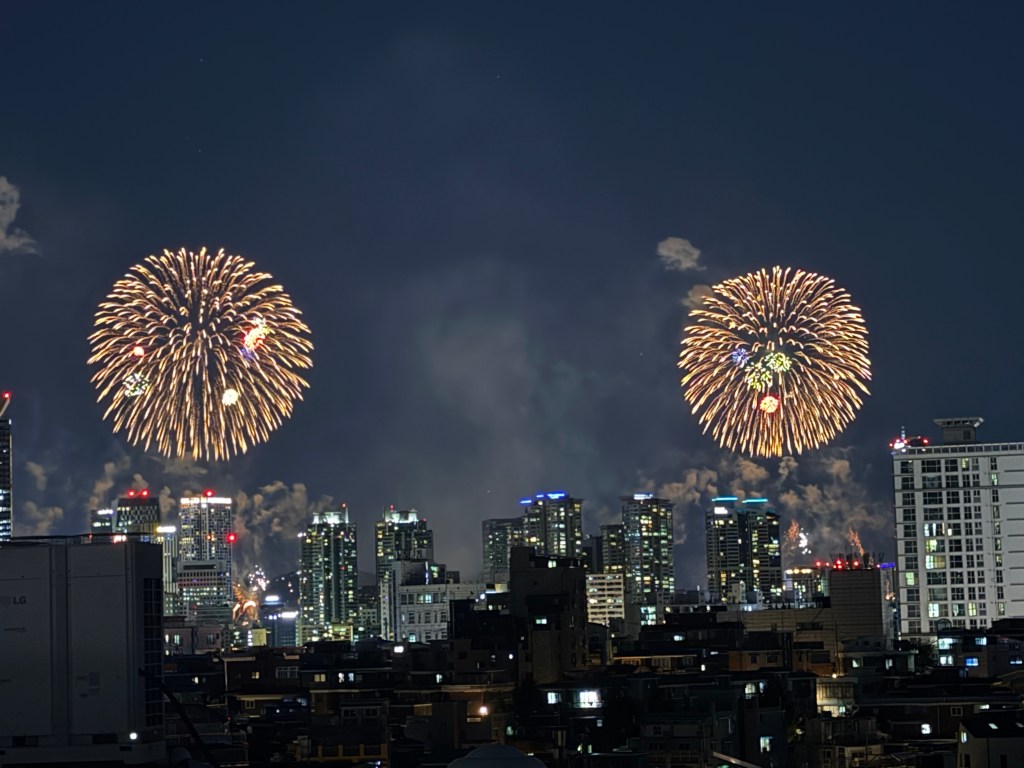
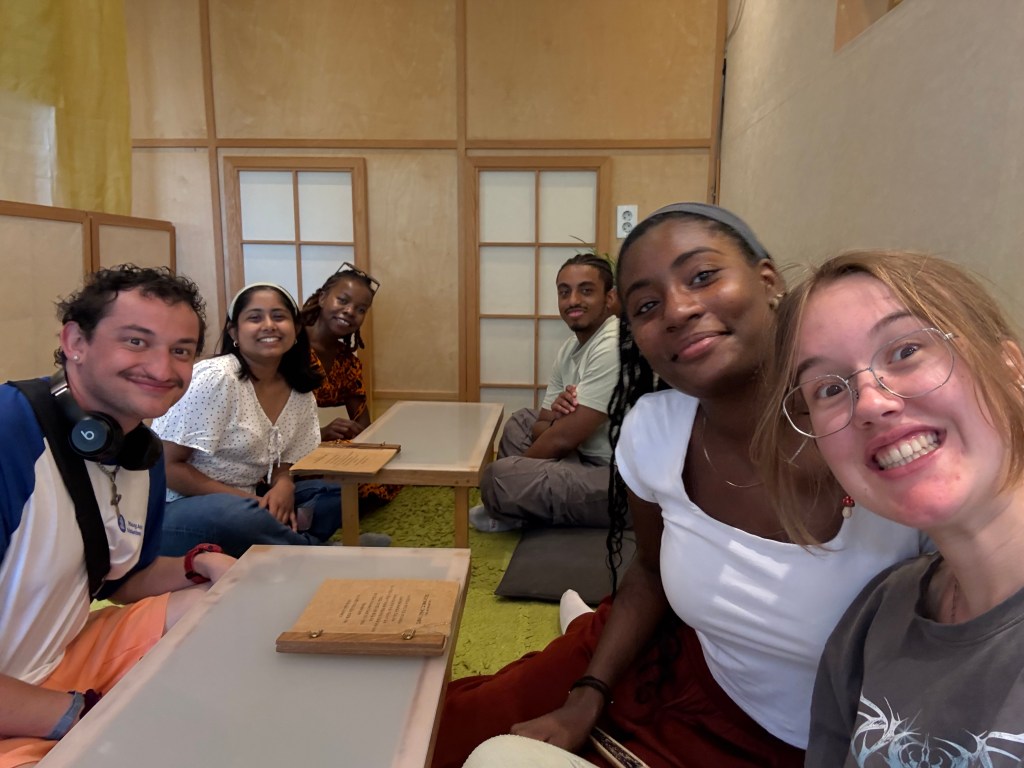
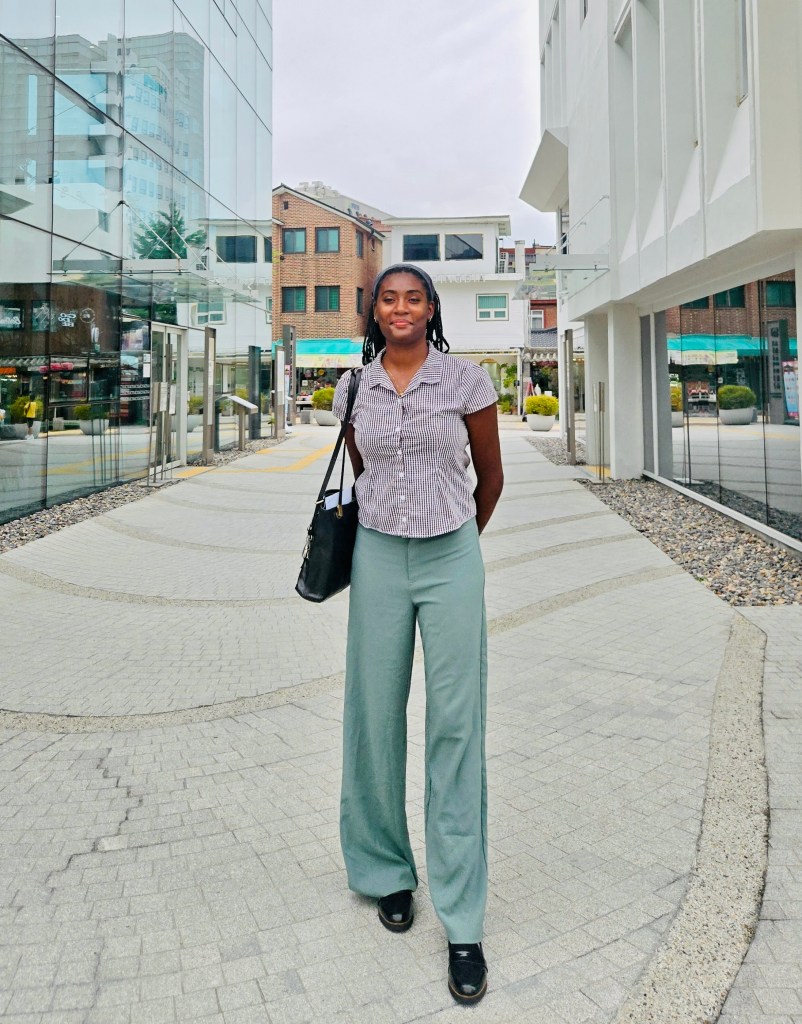
Sources
‾‾‾‾‾‾‾‾‾‾‾‾‾‾‾‾‾‾‾‾‾‾‾‾‾
https://journals.sagepub.com/doi/10.1177/01979183241269445


Leave a Reply